How to Increase Your Home’s Value in Edmonton: Best 12 Upgrades That Matter Before Selling
If you are planning to sell your Edmonton home, you do not necessarily need a major renovation to make the property more appealing to buyers. In many cases, the best improvements are the ones that make the home feel clean, well-maintained, functional, and move-in ready.
The key is knowing where to spend your money and where to stop.
A new kitchen, finished basement, or major addition can cost tens of thousands of dollars, but that does not automatically mean the project will add the same amount to your home’s market value. The right renovation depends on your home’s current condition, your neighbourhood, comparable properties, buyer expectations, and how soon you plan to sell.
Edmonton’s housing market also varies considerably by property type and neighbourhood. In Q2 2026, Royal LePage reported an aggregate Edmonton home price of $482,400, while the median price for a single-family detached home was $531,700 and the median condominium price was $209,600. That difference is one reason renovation decisions should be based on the property and its competing homes, not on a generic renovation checklist.
What Actually Increases a Home’s Value?
The value of a home is influenced by much more than cosmetic upgrades.
Buyers and valuation professionals consider factors such as:
- Location and neighbourhood
- Lot and home size
- Layout and functionality
- Number and usability of bedrooms and bathrooms
- Basement finish
- Garage and parking
- Overall condition
- Quality and age of major components
- Kitchen and bathroom condition
- Energy efficiency
- Exterior condition
- Comparable recent sales
The City of Edmonton also considers factors including the style and size of the home, lot size, year built, basement finish, garage, building condition, roof, special features, neighbourhood, and location when assessing residential properties.
That means the best renovation is not necessarily the most expensive one.
The objective should be to improve the home’s condition and buyer appeal without over-improving it for the neighbourhood.
12 Home Improvements That Can Increase Resale Appeal in Edmonton
1. Freshen Up the Interior With Paint
Fresh paint is one of the simplest ways to make a home look cleaner and better maintained.
If the walls have:
- Dark or highly personalized colours
- Scuffs and visible damage
- Outdated finishes
- Uneven touch-ups
- Excessive wear
a neutral paint scheme can make the property feel brighter and more consistent.
For a home being prepared for sale, avoid choosing colours based entirely on personal taste. The goal is to create a clean backdrop that allows prospective buyers to imagine their own furniture and lifestyle in the space.
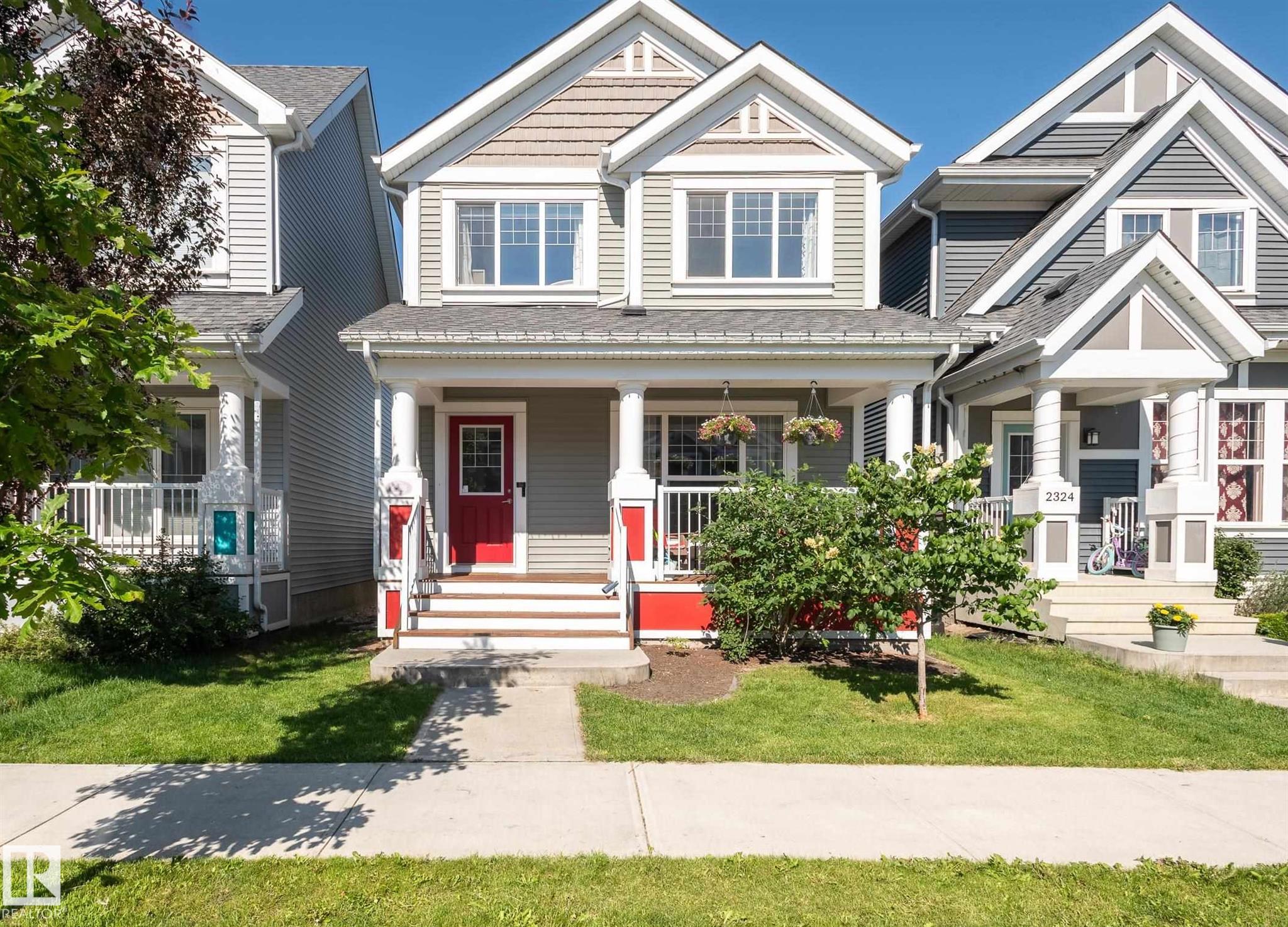
2. Improve Your Home’s Curb Appeal
Buyers form an impression before they walk through the front door.
You do not necessarily need an expensive landscaping project. Start with the basics:
- Clean the front entrance
- Touch up or repaint the front door
- Replace damaged exterior hardware
- Improve outdoor lighting
- Trim overgrown landscaping
- Clean walkways and exterior surfaces
- Keep the lawn maintained
- Remove unnecessary outdoor clutter
- Make the house number easy to see
In Edmonton, exterior maintenance also matters because homes have to withstand significant seasonal changes. A neglected exterior can create concerns about maintenance even when the interior looks good.
3. Refresh the Kitchen Without Automatically Replacing It
A dated kitchen can make an otherwise attractive home feel older.
However, a complete kitchen renovation is not always necessary before selling.
Depending on the condition, consider:
- Replacing cabinet hardware
- Updating faucets
- Replacing outdated light fixtures
- Repainting cabinets where appropriate
- Updating a backsplash
- Repairing damaged cabinetry
- Replacing worn countertops when justified
- Improving lighting
- Removing unnecessary countertop clutter
The important question is whether the kitchen needs a refresh or a reconstruction.
If comparable homes in the neighbourhood have functional kitchens with similar finishes, a modest update may make more financial sense than a high-end remodel.
4. Modernize the Bathroom
Bathrooms receive considerable attention during a home viewing.
Before selling, focus on visible condition and functionality.
Potential improvements include:
- New vanity hardware
- Updated faucets
- Modern lighting
- Fresh mirrors
- Fresh caulking
- Repaired grout
- Updated shower fixtures
- Neutral paint
- Better storage
- Replacing visibly worn fixtures
A bathroom does not need to look luxurious. It needs to look clean, functional, and well maintained.
5. Improve Lighting
Lighting can change how buyers perceive the entire property.
Replace outdated fixtures where appropriate and make sure important areas are properly illuminated.
Pay particular attention to:
- Entryways
- Kitchens
- Dining areas
- Bathrooms
- Hallways
- Basements
- Exterior entrances
Also maximize natural light by cleaning windows, removing unnecessary window coverings, and keeping rooms visually open.
6. Repair Worn Flooring
Damaged or heavily worn flooring can make a home feel poorly maintained.
Depending on the existing material, consider:
- Professional cleaning
- Refinishing hardwood
- Repairing damaged areas
- Replacing severely worn carpet
- Updating mismatched flooring where practical
Do not replace perfectly serviceable flooring simply because it is not your preferred style.
Before spending money, compare the condition of your flooring with recently sold homes competing in your price range.
7. Make the Basement More Useful
Basements can represent valuable usable space, particularly when they are clean, functional, and properly finished.
Possible improvements include:
- Finishing unfinished areas
- Improving lighting
- Adding practical storage
- Repairing damaged flooring
- Refreshing walls and ceilings
- Creating a functional recreation area
- Improving the overall layout
However, basement renovations require more planning than cosmetic improvements.
The City of Edmonton identifies finishing living or recreation rooms, bedrooms, and bathrooms among renovation projects that may require permits. Structural changes and certain exterior changes can also require permits.
Before undertaking a major basement renovation, confirm the applicable permit and development requirements.
8. Improve Energy Efficiency
Energy efficiency can be particularly relevant in Edmonton’s climate.
Depending on the property, homeowners may consider:
- Improving insulation
- Sealing drafts
- Updating inefficient windows
- Improving heating-system efficiency
- Upgrading lighting
- Addressing air leakage
- Improving ventilation where appropriate
The City of Edmonton’s guidance on energy-efficient homes includes insulation, energy performance, indoor air quality, and healthier indoor environments among considerations for Edmonton homeowners.
Do not assume that every energy upgrade will produce the same resale return. Evaluate the age and condition of the existing system first.
9. Address Deferred Maintenance
This is one of the least exciting improvements and one of the most important.
Before spending money on decorative upgrades, deal with obvious maintenance problems.
Examples include:
- Leaking faucets
- Damaged doors
- Broken fixtures
- Peeling paint
- Damaged trim
- Loose railings
- Faulty lighting
- Visible water damage
- Poor caulking
- Damaged flooring
- Overgrown landscaping
Buyers often notice problems faster than they notice expensive improvements.
A house with a new backsplash but several obvious maintenance issues still feels like a house that needs work.
10. Improve Outdoor Living Areas
Edmonton buyers can appreciate functional outdoor space, particularly when it is presented well.
Depending on the property, consider:
- Cleaning the deck or patio
- Repairing damaged boards
- Improving outdoor lighting
- Maintaining landscaping
- Creating a defined seating area
- Cleaning fences
- Improving privacy where appropriate
The goal is not to create an elaborate backyard. It is to show buyers how the existing outdoor space can be used.
11. Declutter and Stage the Home
You can spend thousands on renovations and still make the property look worse if every room is overcrowded.
Before listing:
- Remove excess furniture
- Clear countertops
- Organize closets
- Remove unnecessary decorations
- Clean windows
- Deep-clean kitchens and bathrooms
- Reduce visual clutter
- Organize storage areas
- Improve furniture placement
Staging is not about making the home look luxurious. It is about making the space easier for buyers to understand.
A smaller room can feel smaller when it contains too much furniture. A storage area can look inadequate when it is packed to the ceiling.
12. Complete Necessary Repairs Before Cosmetic Upgrades
If you have a limited renovation budget, prioritize problems that can create buyer objections.
For example:
First priority:
- Safety issues
- Water problems
- Structural concerns
- Major deferred maintenance
- Broken or non-functional systems
Second priority:
- Visible cosmetic deterioration
- Flooring
- Paint
- Lighting
- Kitchen and bathroom refreshes
Third priority:
- Optional aesthetic upgrades
This order helps prevent homeowners from spending money on appearance while leaving more significant problems unresolved.
Renovation Cost vs. Resale Value
One of the biggest mistakes homeowners make is assuming:
“If I spend $30,000 on renovations, my home will be worth $30,000 more.”
There is no universal formula like that.
The value of a renovation depends on factors such as:
- Current property condition
- Neighbourhood
- Property type
- Purchase price
- Renovation quality
- Buyer demand
- Comparable homes
- Local market conditions
- Whether the improvement solves an existing deficiency
Edmonton’s assessment methodology recognizes that renovations and replacements can affect property value, but their impact depends on the characteristics of the property and other valuation factors.
This is why renovation decisions should be made using the property’s actual market position rather than a generic online ROI percentage.
What Renovations Should You Avoid Before Selling?
Not every improvement is a good investment before a sale.
Be cautious about:
Overly Personal Designs
Highly customized colours, finishes, layouts, or features can appeal to a narrow group of buyers.
Luxury Upgrades That Exceed the Neighbourhood
If comparable homes do not have high-end finishes, spending heavily to create the most expensive house on the street may not make financial sense.
Removing Bedrooms
Changing a bedroom into another type of space can reduce appeal if buyers in the area prioritize bedroom count.
Unpermitted Work
Major renovation work should be completed in accordance with applicable requirements. The City of Edmonton requires permits for a number of common renovation and basement-development projects.
Renovating Without Comparing Comparable Homes
Before spending $50,000 on a renovation, determine what similarly priced homes in your neighbourhood already offer.
You do not want to renovate simply to catch up with features that buyers in your market do not actually expect.
Should You Renovate Before Selling Your Edmonton Home?
Not necessarily.
The right decision depends on your home’s condition, expected sale price, competing properties, renovation budget, and timeline.
A useful approach is to divide potential improvements into three categories:
| Category | Examples | Typical Priority |
|---|---|---|
| Essential | Safety, leaks, major defects, deferred maintenance | High |
| Buyer-facing | Paint, flooring, lighting, curb appeal | Medium-High |
| Optional | Luxury finishes, major redesigns | Depends on market |
If your home is already in good condition, relatively minor improvements may be enough.
If your home has significant deferred maintenance, addressing those issues may be more important than cosmetic upgrades.
How Much Should You Spend Before Selling?
There is no universal percentage of your home’s value that every seller should spend on renovations.
Instead, consider:
- Your home’s current condition
- Recent comparable sales
- Competing listings
- Your expected selling price
- The cost of each proposed improvement
- Your selling timeline
- Whether the improvement addresses a buyer objection
- Whether the renovation is appropriate for your neighbourhood
A pre-listing assessment can help you distinguish between improvements that are likely to improve marketability and projects that may simply consume your budget.
Edmonton Home Value Is About More Than Renovations
Renovations are only one part of determining what a home is worth.
Location, lot size, home size, layout, basement, garage, condition, neighbourhood, and other property characteristics all influence value. The City of Edmonton uses many of these factors in its assessment process.
Current market conditions matter too.
For example, Edmonton’s Q2 2026 housing data showed a relatively stable market overall, with the aggregate home price at $482,400 and the median detached-home price at $531,700.
That means sellers should avoid making renovation decisions based on old market assumptions.
The right question is not:
“What renovation is popular right now?”
It is:
“What improvement makes the most sense for this property, this neighbourhood, and the buyers who are likely to purchase it?”
A Simple Pre-Sale Home Improvement Checklist
Before spending money, review your property in this order:
- Repair obvious maintenance and safety issues
- Clean and declutter every room
- Improve curb appeal
- Touch up damaged walls and paint
- Address worn flooring
- Refresh outdated kitchen and bathroom details
- Improve lighting
- Clean and organize the basement
- Improve outdoor presentation
- Complete necessary permit-related work
- Compare your home with competing Edmonton properties
- Determine which improvements are actually justified before listing
FAQ
What is the best way to increase home value in Edmonton?
The best approach is usually to improve the property’s condition, functionality, and presentation while focusing on improvements that buyers in your neighbourhood actually expect. There is no single renovation that increases every Edmonton home’s value by the same amount.
What renovations add the most value to a home?
The answer depends on the property. Kitchen and bathroom improvements, basement functionality, exterior condition, flooring, paint, and necessary repairs can all influence buyer appeal. The most valuable improvement is often the one that addresses a clear deficiency without over-improving the property.
Does painting increase home value?
Fresh, neutral paint can improve a home’s presentation and make it easier for buyers to visualize living there. Its impact on the final sale price depends on the property’s condition, competing homes, and other market factors.
Should I renovate my kitchen before selling?
Not always. If the kitchen is functional and reasonably maintained, a smaller refresh may be more appropriate than a complete renovation. Compare the kitchen with competing homes before committing to a major project.
Does finishing a basement increase home value in Edmonton?
A functional finished basement can improve a property’s usability and buyer appeal. However, basement renovations can involve substantial costs and may require permits depending on the work. Check Edmonton’s current requirements before beginning construction.
Should I renovate before getting my home valued?
It can be useful to get a professional opinion before starting major renovations. A market assessment can help identify which improvements are likely to matter and which projects may not justify their cost.
What renovations should I avoid before selling?
Avoid highly personalized renovations, unnecessary luxury upgrades, removing desirable bedrooms, and major projects that do not align with the neighbourhood or competing properties. Also avoid unpermitted work that could create issues during a transaction.
Increasing your home’s value is not about spending the most money.
It is about spending the right amount of money on the right improvements.
For many Edmonton homeowners, the best strategy is to first address maintenance, cleanliness, curb appeal, and obvious cosmetic issues. Larger projects such as kitchen renovations, basement development, or major exterior improvements should be considered only after comparing the property with recent sales and competing homes.
If you are considering selling your Edmonton home, a renovation plan should begin with the property’s current market position, not with a contractor’s quote.
Before investing in a major renovation, find out what your home is worth today and which improvements could make the biggest difference to its marketability.
— Alamgir Hossain, P.Eng . REALTOR® serving Edmonton and surrounding communities.
—Get In Touch With Alamgir Hossain,P.Eng. REALTOR®
—Edmonton Real Estate Market Update: June 2026

I’m a licensed REALTOR® with eXp Realty, proudly serving Edmonton and surrounding communities. With a background as a Professional Engineer (P.Eng), I bring analytical thinking, precision, and a client-first approach to every real estate transaction — helping buyers, sellers, and investors make informed decisions with honesty and expertise.